Metabolic Syndrome: Causes, Symptoms, Risks, and Prevention
Introduction
Metabolic Syndrome is not a single disease but a cluster of metabolic disorders that significantly increase the risk of heart disease, type 2 diabetes, and stroke. With changing lifestyles, sedentary habits, and unhealthy diets, metabolic syndrome is becoming increasingly common, especially in India.
Early identification and lifestyle modification can prevent serious long-term complications, making awareness extremely important.
What Is Metabolic Syndrome?
Metabolic Syndrome refers to a group of conditions that occur together, increasing the risk of cardiovascular diseases and diabetes.
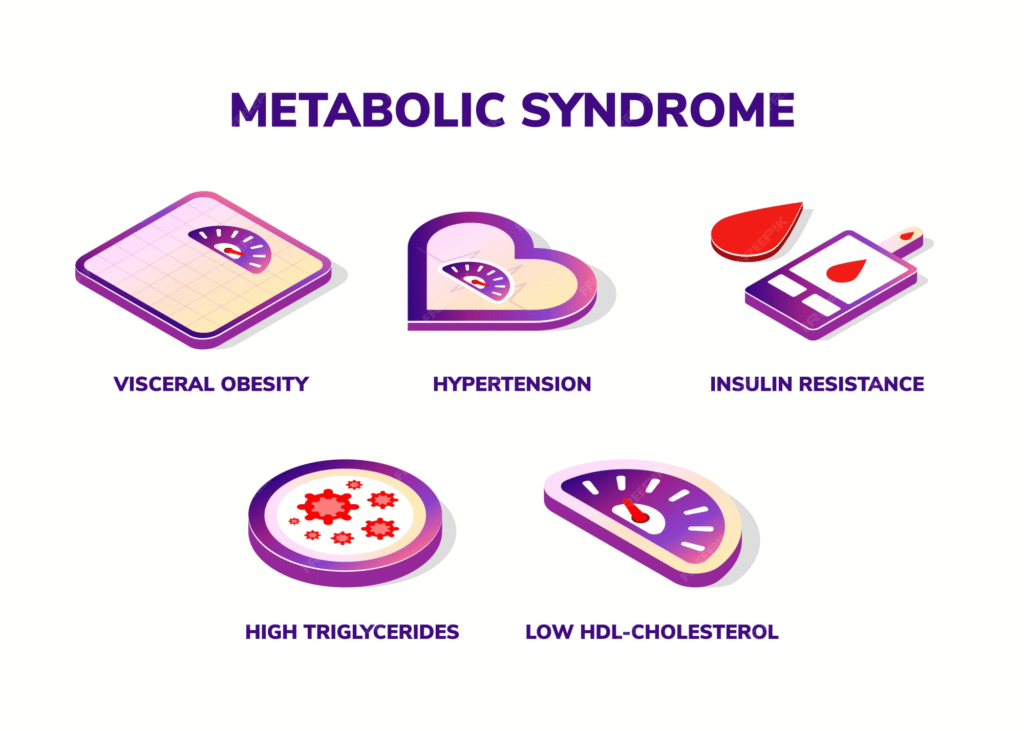
A person is diagnosed with metabolic syndrome when three or more of the following conditions are present:
Abdominal (central) obesity
High blood pressure
High blood sugar levels
High triglyceride levels
Low HDL (good) cholesterol
These conditions often develop silently, making regular health checkups crucial.
Key Components of Metabolic Syndrome
1. Abdominal Obesity
Excess fat around the waist is a major indicator.
Waist circumference >90 cm (men)
Waist circumference >80 cm (women)
2. High Blood Pressure
Blood pressure consistently above 130/85 mmHg increases strain on the heart and blood vessels.
3. High Fasting Blood Sugar
Fasting glucose levels above 100 mg/dL indicate insulin resistance and a higher risk of diabetes.
4. High Triglycerides
Triglyceride levels above 150 mg/dL raise the risk of heart disease.
5. Low HDL Cholesterol
HDL protects the heart.
Less than 40 mg/dL in men
Less than 50 mg/dL in women
Causes of Metabolic Syndrome
Several lifestyle and genetic factors contribute to metabolic syndrome:
- Poor diet high in sugar and processed foods
- Physical inactivity
- Obesity and weight gain
- Insulin resistance
- Chronic stress
- Genetic predisposition
- Smoking and excessive alcohol consumption
Symptoms of Metabolic Syndrome
Metabolic syndrome often has no obvious symptoms. However, some people may notice:
- Increased waist size
- Fatigue
- Frequent thirst or urination
- Fatty liver disease
- Cirrhosis
- Darkened skin around the neck or armpits (a sign of insulin resistance)
Because symptoms are subtle, many people remain undiagnosed until complications develop.
Health Risks Associated with Metabolic Syndrome
If left untreated, metabolic syndrome can lead to serious health problems, including:
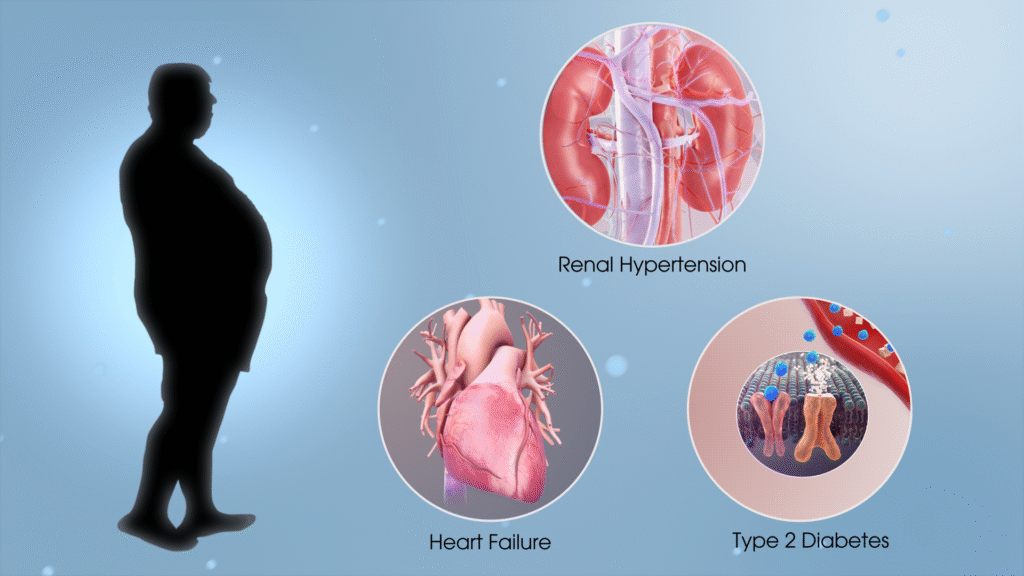
- Type 2 Diabetes
- Heart attack
- Stroke
- Fatty liver disease
- Kidney disease
- Polycystic Ovary Syndrome (PCOS)
- Increased overall mortality risk
How Is Metabolic Syndrome Diagnosed?
Diagnosis involves a combination of:
- Waist circumference measurement
- Blood pressure check
- Fasting blood sugar test
- Lipid profile (cholesterol and triglycerides)
Regular health screenings are essential for early detection.
Treatment of Metabolic Syndrome
1. Lifestyle Changes (Most Important)
Lifestyle modification is the cornerstone of treatment.
Healthy Diet
- Eat whole grains, fruits, vegetables, and lean proteins
- Reduce sugar, refined carbs, and fried foods
- Limit salt intake
- Avoid sugary beverages
Physical Activity
- At least 150 minutes of moderate exercise per week
- Walking, cycling, swimming, or strength training
Weight Loss
Even 5–10% weight loss can significantly improve metabolic health.
2. Medications (If Required)
Doctors may prescribe medications to manage:
- Blood pressure
- Blood sugar levels
- Cholesterol and triglycerides
Medication is usually combined with lifestyle changes for best results.
Prevention of Metabolic Syndrome
Metabolic syndrome is largely preventable by adopting healthy habits:
- Maintain a healthy body weight
- Stay physically active
- Eat a balanced, nutritious diet
- Manage stress
- Get adequate sleep
- Avoid smoking and excessive alcohol
- Regular health checkups
Metabolic Syndrome in India
In India, metabolic syndrome is rising rapidly due to:
- Urban lifestyles
- Increased consumption of processed foods
- Reduced physical activity
Early screening and awareness are critical to reduce the burden of diabetes and heart disease in the country.
When to See a Doctor?
You should consult a doctor if you:
- Have a family history of diabetes or heart disease
- Are overweight or obese
- Have high blood pressure or abnormal blood reports
- Experience persistent fatigue or increased thirst
Early intervention can reverse metabolic syndrome in many cases.
Conclusion
Metabolic Syndrome is a serious but manageable and preventable condition. With timely diagnosis, healthy lifestyle choices, and proper medical care, individuals can significantly reduce their risk of life-threatening complications.
Taking action today can protect your heart, control your blood sugar, and improve your overall quality of life.