Hypothyroidism: Causes, Symptoms, Diagnosis, Treatment, and Management
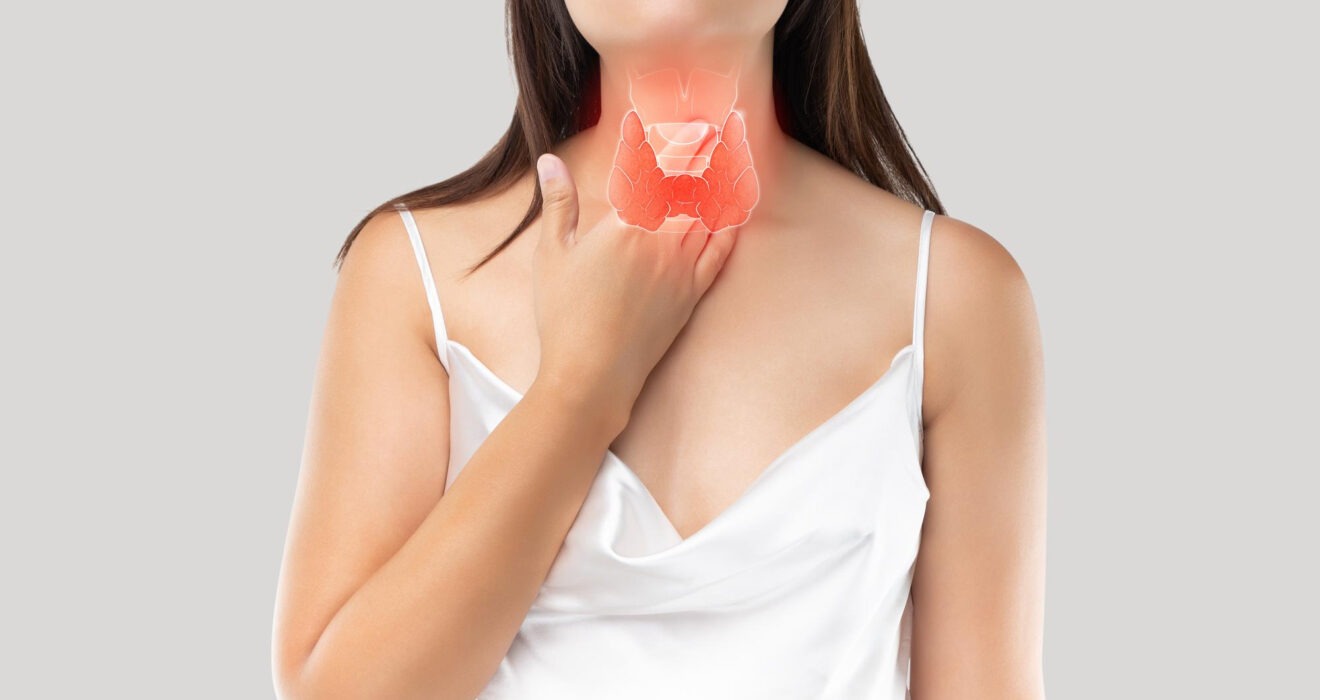
Hypothyroidism, or an underactive thyroid, is a common endocrine disorder where the thyroid gland doesn’t produce enough thyroid hormones. These hormones regulate the body’s metabolism, energy production, and temperature. When levels drop, many bodily functions slow down, leading to a range of symptoms that may affect your quality of life.
Understanding hypothyroidism is crucial for early detection and effective treatment.
What Is Hypothyroidism?
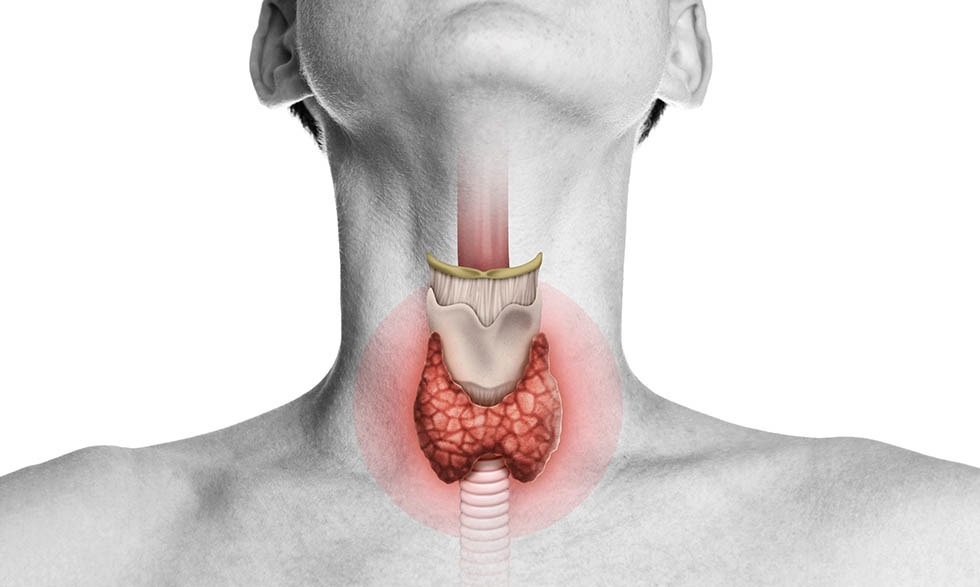
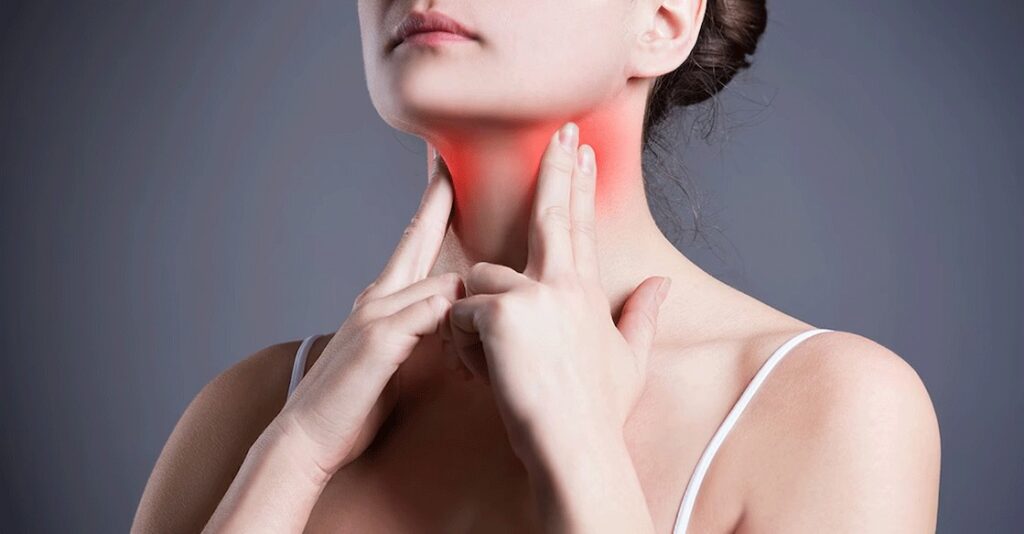
Hypothyroidism occurs when the thyroid gland, located in the neck, fails to produce enough thyroid hormones – mainly thyroxine (T4) and triiodothyronine (T3) or insufficient stimulation to produce thyroid hormones because of low secretion of thyrotropin (i.e. TSH) from the pituitary gland. These hormones play a vital role in regulating metabolism, brain development, heart function, digestion, and mood.
Without sufficient thyroid hormones, the body slows down, and symptoms gradually appear and worsen if left untreated.
Common Symptoms of Hypothyroidism
Symptoms often develop slowly and can be mistaken for signs of aging or other conditions. Common symptoms include:
- Tiredness, Weakness
- Weight gain with poor appetite
- Feeling extremely cold
- Dry skin and hair loss
- Constipation
- Depression or low mood
- Hoarseness of voice
- Difficulty concentrating and Poor memory (“brain fog”)
- Menstrual irregularities – menorrhagia
- Tingling sensations and numbness
- Impaired hearing
In children, it may cause stunted growth or delayed puberty. In infants, it can affect brain development and be life-threatening if not treated early.
What Causes Hypothyroidism?
Several conditions and factors can lead to an underactive thyroid:
Hashimoto’s Thyroiditis
An autoimmune disorder and the most common cause of hypothyroidism. The immune system attacks and damages the thyroid gland.
Thyroidectomy
Removing part or all of the thyroid gland can lead to hypothyroidism.
Radiation Therapy
Radiation treatment for cancers of the neck or head, external irradiation of neck for lymphoma or cancer can affect thyroid function.
Medications
Some drugs, such as Lithium, Amiodarone, and anti-thyroid drugs can interfere with thyroid hormone production.
Iodine Deficiency
Iodine is essential for making thyroid hormones. A deficiency can lead to hypothyroidism, though this is rare in countries with iodized salt.
Congenital Hypothyroidism
Some babies are born with a missing or underdeveloped thyroid gland.
Infiltrative disorders
Amyloidosis, Sarcoidosis, Hemochromatosis, Scleroderma can lead to Hypothyroidism
Diagnosing Hypothyroidism
Diagnosis involves reviewing symptoms and conducting simple blood tests to check hormone levels.
TSH (thyroid-stimulating hormone)
High TSH levels indicate that the pituitary gland is working harder to stimulate the underactive thyroid.
Free T4 Test
Measures the amount of thyroxine in the blood. Low levels confirm hypothyroidism.
Thyroid Antibody Test
Detects autoimmune conditions like Hashimoto’s thyroiditis.
Early diagnosis helps prevent complications and ensures timely treatment.
Treatment Options for Hypothyroidism
The standard treatment is thyroid hormone replacement therapy.
Levothyroxine
A synthetic form of thyroxine (T4) taken daily as a pill. It restores normal hormone levels and alleviates symptoms within weeks.
Monitoring and Dose Adjustment
Regular blood tests are needed to monitor TSH levels and adjust dosage accordingly. It’s important to take the medication on an empty stomach and avoid certain supplements that may interfere with absorption.
Never stop or change your dose without consulting your doctor.
Complications of Untreated Hypothyroidism
When left untreated, hypothyroidism can lead to several complications, including:
- Goiter (enlarged thyroid gland)
- Infertility
- Heart disease
- High cholesterol levels
- Mental health issues like depression
- Myxedema (a rare, life-threatening condition)
- Developmental delays in children
- Birth defects in babies born to untreated mothers
Proper management can prevent most of these issues.
Living with Hypothyroidism
Hypothyroidism is a lifelong condition, but with the right care, most people lead normal and healthy lives.
Healthy Lifestyle Tips
- Stick to your medication schedule: Take your dose daily and at the same time.
- Eat a balanced diet: Include iodine-rich foods like dairy, fish, and eggs.
- Exercise regularly: Helps manage weight, energy levels, and mood.
- Limit soy and high-fiber foods around medication time as they may interfere with absorption.
- Manage stress: Practice yoga, meditation, or mindfulness.
- Go for regular checkups to monitor hormone levels.
Hypothyroidism in Pregnancy
Pregnant women with hypothyroidism require special attention. Untreated hypothyroidism can lead to miscarriage, premature delivery, and developmental problems in the baby. Always inform your doctor if you’re pregnant or planning to conceive while undergoing thyroid treatment.
Prevention and Early Detection
While hypothyroidism can’t always be prevented, regular checkups can help catch it early. If you have a family history of thyroid disease or symptoms of fatigue and weight gain, ask your doctor about thyroid testing.
Early treatment leads to better outcomes and a healthier life.
Conclusion
Hypothyroidism may be common, but it is manageable. With the right diagnosis, treatment, and lifestyle changes, you can take full control of your health. Stay consistent with your medication, get regular blood tests, and take care of your overall wellness.
If you notice signs like tiredness, cold sensitivity, or weight gain, don’t ignore them. Seek medical advice and get tested. Your thyroid may be telling you something important.
Common question:
When to take a levothyroxine tablet? Ans- levothyroxine tablet must be taken in the morning (empty stomach).
DO NOT EAT OR DRINK ANYTHING FOR NEXT 45 MINS AFTER TAKING LEVOTHYROXINE TABLET