
Diabetes: A Complete Guide to Symptoms, Causes, Types, and Management
Diabetes is a global health concern affecting millions of people across all age groups.
In India, an estimated 77 million people above the age of 18 years are suffering from diabetes (Type 2), and nearly 25 million are pre-diabetics.
It’s not just a condition that spikes your blood sugar if left uncontrolled, it can lead to serious health complications. In this blog, we’ll break down everything you need to know about diabetes in simple and clear terms. From causes and symptoms to prevention and management, this guide is here to help you understand and take care of your sugar levels.
What Is Diabetes?
Diabetes is a chronic health condition where your body either doesn’t make enough insulin or doesn’t use it effectively. Insulin is the hormone responsible for moving sugar (glucose) from your bloodstream into your cells, where it’s used for energy. When this system doesn’t function correctly, sugar builds up in the blood, leading to high blood glucose levels, also known as hyperglycemia.
There’s no cure for diabetes, but with the right treatment plan and lifestyle changes, it can be effectively managed.
Types of Diabetes
Type 1 Diabetes
Type 1 diabetes is an autoimmune condition. Your immune system mistakenly attacks and destroys insulin-producing beta cells in the pancreas. This results in little to no insulin being produced. Type 1 often appears in children, but it can develop in adults as well.
Key Characteristics:
- Sudden onset
- Requires daily insulin injections
- Cannot be prevented
- Often hereditary
Type 2 Diabetes
Type 2 is the most common type of diabetes. It usually develops in adults over 40, but younger people are now being diagnosed due to poor lifestyle habits. In this type, either there is insulin resistance or abnormal insulin secretion.
Key Characteristics:
- Gradual onset
- Strongly linked to obesity and inactivity
- Often preventable or reversible in early stages
- Managed with diet, exercise, and sometimes medication
Gestational Diabetes
This form of diabetes occurs during pregnancy. Hormonal changes can make your body less sensitive to insulin. While it often goes away after birth, it increases the risk of type 2 diabetes later in life.
Key Characteristics:
- Affects pregnant women
- Managed through diet, physical activity and medication
- Requires monitoring of blood glucose level during and after pregnancy
What Causes Diabetes?
There’s no single cause of diabetes. Instead, a combination of factors can increase your risk:
Genetics
A family history of diabetes raises your chances, especially for type 1 and type 2.
Age
Your risk increases as you get older, especially after 45 years of age.
Obesity
Excess body fat, particularly around the abdomen(central obesity), contributes to insulin resistance.
Sedentary Lifestyle
Physical inactivity reduces insulin sensitivity and increases risk.
Poor Diet
Diets high in sugar, refined carbs, alcohol consumption and unhealthy fats can lead to weight gain and insulin resistance.
High Blood Pressure and Cholesterol
These conditions are common in people with type 2 diabetes and increase complications.
Polycystic ovarian syndrome
Symptoms of Diabetes
Recognizing the symptoms early is crucial. Here are the most common warning signs:
- Excessive thirst and frequent urination
- Constant fatigue or low energy
- Unexplained weight loss (mainly in type 1)
- Increased hunger
- Blurred vision
- Slow healing of wounds
- Numbness or tingling in hands or feet
- Frequent infections
If you’re experiencing any of these symptoms, it’s essential to consult your doctor for a blood sugar test.
Diagnosis of Diabetes
The American Diabetes Association (ADA) criteria for the diagnosis of diabetes (in individuals who are not pregnant) are any of the following:
- An HbA1c level of 6.5% or higher.
- A fasting plasma glucose level of 126 mg/dL or higher (fasting refers to no caloric intake for 8 hours or more).
- A 2-hour plasma glucose level of 200 mg/dL or higher.
- A random plasma glucose level of 200 mg/dL or higher with symptoms such as excessive thirst, frequent urination, or unexplained weight loss.
Can Diabetes Be Prevented?
Yes, especially type 2. Here are ways to reduce your risk:
- Maintain a healthy weight
- Be physically active
- Eat nutritious foods
- Limit sugary beverages
- Don’t smoke
- Get regular screenings if you’re at risk
Making small but consistent changes in your routine can prevent or delay diabetes for years.
How to Manage Diabetes
Living with diabetes means making daily decisions about food, activity, and medication. With proper care, most people live normal and active lives.
1. Healthy Eating
A balanced diet plays a huge role. Choose:
- High-fiber foods like whole grains
- Lean proteins like fish, eggs, tofu, and legumes
- Healthy fats such as olive oil, avocados, and nuts
- Plenty of fruits (except some) and vegetables
- Avoid sugary drinks, processed snacks, and refined carbs
Portion control and carb counting are essential for blood sugar control.
2. Regular Physical Activity
Exercise lowers blood sugar levels by improving insulin sensitivity. Aim for at least 30 minutes of moderate activity five days a week. Walking, cycling, swimming, or yoga can help significantly.
3. Monitor Blood Sugar
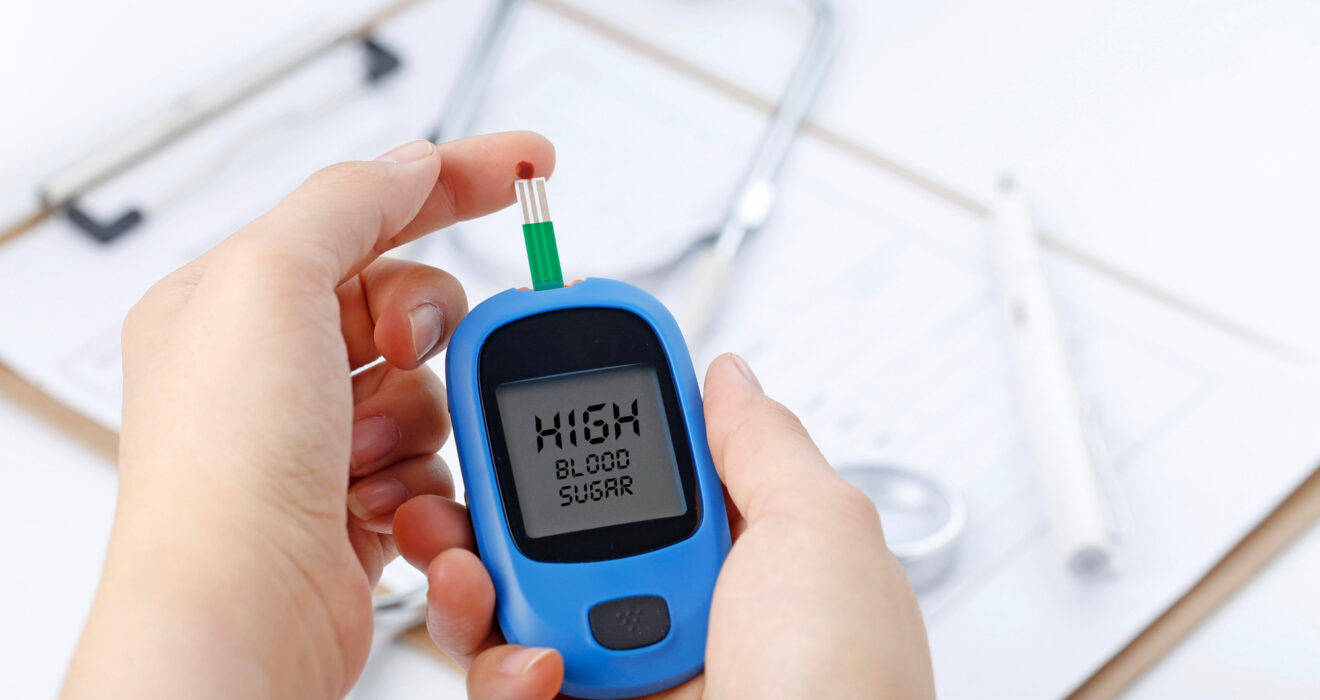
Regularly checking your blood glucose helps track progress and adjust your care plan. Your doctor will guide you on target ranges and how often to check.
4. Medication or Insulin Therapy
Depending on the type and severity, your doctor may prescribe oral medications or insulin injections. Follow the prescription exactly and never skip doses.
5. Stress Management
Stress can raise blood sugar levels. Practice relaxation techniques like deep breathing, and systematic relaxation , meditation, or light exercise to keep stress in check.
Preventing Diabetes Complications
When left uncontrolled, diabetes can lead to:
- Heart disease and stroke
- Kidney failure
- Vision loss
- Nerve damage (neuropathy)
- Foot ulcers and amputations
- Skin and gum infections
To prevent complications:
- Control your blood sugar
- Manage blood pressure and cholesterol
- Avoid smoking and excessive alcohol
- Get regular checkups, eye examinations and foot examinations
Living Well with Diabetes
Being diagnosed with diabetes isn’t the end of the road. With awareness, support, and proper care, you can lead a healthy, fulfilling life. Many people manage their condition for decades by staying committed to their health goals.
Keep learning, keep moving, and keep believing in your ability to take control of your health. Diabetes is serious, but it doesn’t have to define your life.